



28 Aug 2026
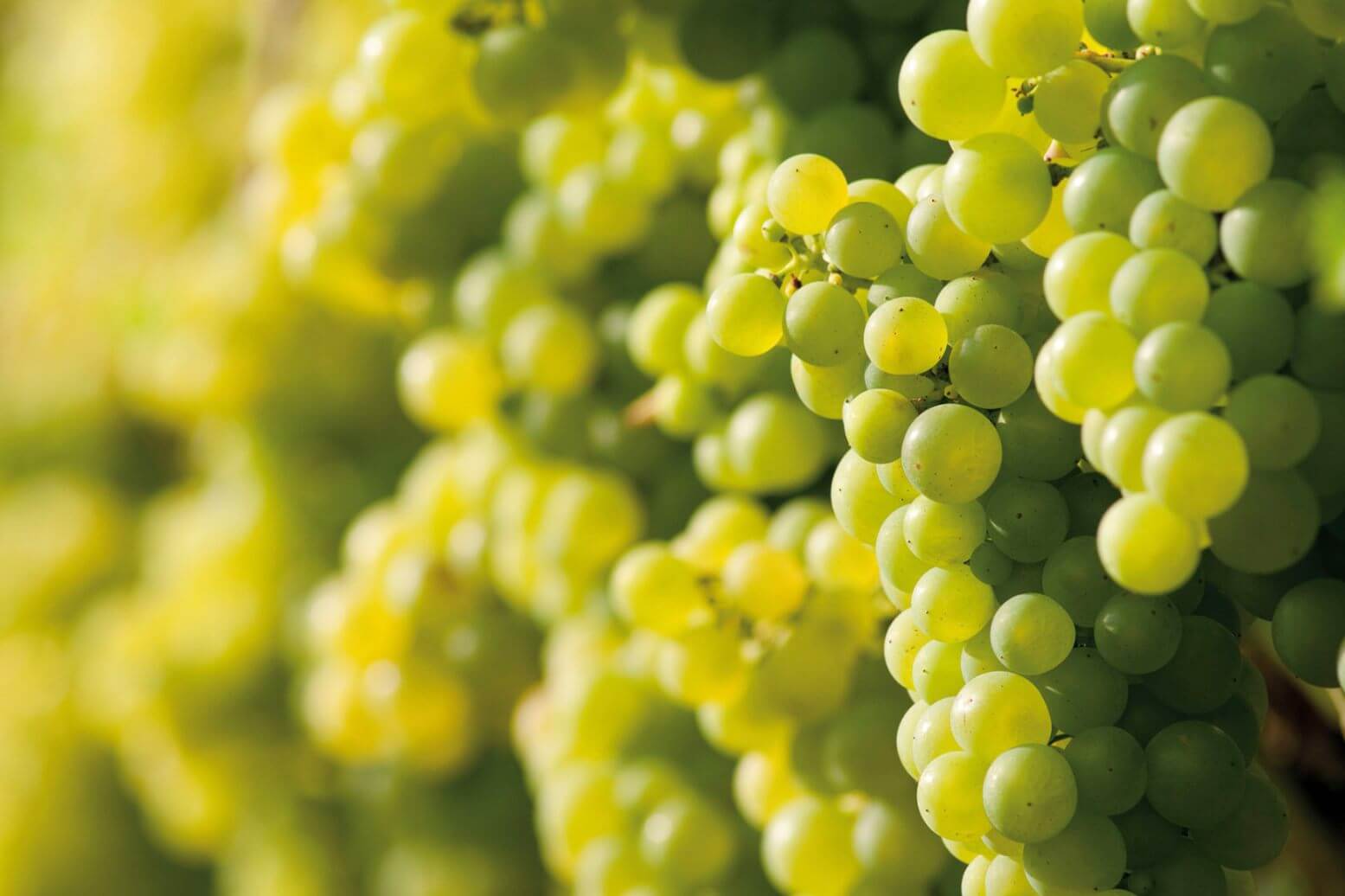
Catalonia is one of Spain’s great wine-producing regions and is home to an extraordinary diversity of landscapes, designations of origin and grape varieties. From the white varieties that form part of the identity of Cava to the red grapes that give character to areas such as Terra Alta and Conca de Barberà, discovering Catalan grape varieties is also a way of discovering the region itself.
Among the most representative are Xarel·lo, Macabeo, Parellada, Garnacha Blanca, Garnacha Negra, Trepat, Cariñena, Sumoll, Malvasia de Sitges and Picapoll.
In this article, we take a closer look at some of the main Catalan grape varieties, their characteristics and the wines they can produce.
1. Xarel·lo: one of Catalonia’s leading white grape varieties
If there is one grape variety that deserves a prominent place when talking about Catalan grapes, it is Xarel·lo.
Originally from and particularly associated with Penedès, this white grape is one of the most emblematic varieties used in Cava. It can produce wines with personality, structure and a strong ability to express the characteristics of the territory.
What does Xarel·lo taste like?
Depending on the area, climate and winemaking process, it can offer:
- Citrus notes.
- White fruit.
- Herbal nuances.
- Mineral sensations.
- Freshness.
- Structure and persistence.
It is a versatile variety that can be used both in still wines and in the production of sparkling wines.
2. Macabeo: freshness, fruit and elegance
Macabeo, also known as Viura in other Spanish wine regions, is another of Catalonia’s leading white grape varieties.
It plays an important role in Cava production and forms part of the traditional trio of Macabeo, Xarel·lo and Parellada.
Macabeo wines generally stand out for their freshness, floral and fruity aromas and balance.
Characteristics of the Macabeo grape
Its main characteristics include:
- Freshness.
- Floral aromas.
- White fruit.
- Balance.
- Elegance.
- Good acidity.
It is a highly versatile variety, suitable for both still wines and sparkling wines.
3. Parellada: delicacy and fruity aromas
Parellada completes the classic trio of white grape varieties associated with Cava, together with Macabeo and Xarel·lo.
It is particularly interesting when the aim is to bring delicacy, freshness and elegance to a wine.
What are the characteristics of Parellada?
Its main characteristics include:
- Floral aromas.
- White fruit.
- Freshness.
- Lightness.
- Elegance.
- Good aromatic expression.
It can also be made as a single-variety wine, allowing its characteristics to be appreciated more directly.
4. Garnacha Blanca: intensity and Mediterranean character
Garnacha Blanca is one of the leading white grape varieties found in Catalonia and is particularly associated with areas such as Terra Alta.
It is a Mediterranean variety capable of producing aromatic, full-bodied wines with an interesting combination of fruit, freshness and structure.
Depending on the winemaking process, it can offer aromas of:
- Ripe white fruit.
- Citrus.
- Mediterranean herbs.
- Flowers.
- Nuts.
Garnacha Blanca can produce wines with greater volume and an unctuous mouthfeel than some lighter white varieties.
5. Garnacha Negra: an essential Mediterranean grape variety
Garnacha Negra is one of the most widely planted and recognisable red grape varieties in the Mediterranean.
In Catalonia, it has an important presence in several wine-producing areas and can produce very different wines depending on the climate, soils and winemaking techniques.
In general, Garnacha Negra wines can display:
- Red and black fruit.
- Spicy notes.
- Warm sensations.
- Good structure.
- Ripe tannins.
- A distinctive Mediterranean character.
It is an especially interesting variety for those who want to discover the personality of Catalan red wines.
6. Trepat: the red grape variety of Conca de Barberà
When talking about Catalan grape varieties, we cannot overlook Trepat.
This red grape has a particularly close relationship with Conca de Barberà, where it is used to produce distinctive red and rosé wines.
Trepat can produce wines with a fresh, aromatic profile and a lighter character than many other Mediterranean red wines.
What are the characteristics of Trepat?
It can offer:
- Red berries.
- Floral notes.
- Freshness.
- Lightness.
- Elegance.
- Soft tannins.
Its versatility means it can be found in different wine styles.
7. Cariñena or Samsó: tradition in Catalan red wines
Cariñena, also known in Catalonia as Samsó, is another traditional red grape variety.
It can contribute:
- Structure.
- Intensity.
- Colour.
- Acidity.
- Black fruit notes.
- Spicy nuances.
Traditionally, it has been used both on its own and in blends with other Mediterranean varieties.
8. Sumoll: a Catalan variety worth discovering
Sumoll is a traditional Catalan grape variety that has regained interest in recent years.
It forms part of Catalonia’s viticultural heritage and can be used to produce red and rosé wines, as well as white wines from its white grape mutation.
Its wines can stand out for their:
- Freshness.
- Acidity.
- Fruity profile.
- Character.
- Personality.
It is particularly interesting for those who want to discover lesser-known varieties and explore Catalonia’s viticultural heritage.
9. Malvasia de Sitges: history and personality
Malvasia de Sitges is a traditional Catalan white grape variety particularly associated with Penedès and the area around Sitges.
It is an aromatic grape that can produce wines with personality and a distinctive expression.
Its characteristics can include:
- Floral aromas.
- Ripe fruit.
- Mediterranean notes.
- Aromatic intensity.
- Personality.
It is one of the varieties that helps illustrate the diversity of Catalan wine.
10. Picapoll: a variety that forms part of Catalonia’s viticultural heritage
Picapoll is another traditional variety worth discovering when exploring the grapes of Catalonia.
It is particularly well known in its white form and can produce fresh and aromatic wines.
It is a good example of the diversity that exists beyond the best-known varieties and of the importance of preserving and recovering Catalonia’s viticultural heritage.
The three grape varieties at the heart of Cava
Although Catalonia is home to many grape varieties, there are three names that are fundamental to understanding Cava:
Macabeo + Xarel·lo + Parellada
Each contributes different characteristics to the traditional blend:
Macabeo: freshness, fruit and floral aromas.
Xarel·lo: structure, personality and body.
Parellada: delicacy, elegance and fruity notes.
The combination of these three varieties is one of the defining characteristics of Cava and an excellent way to discover how different grapes can complement one another in the same wine.
The importance of terroir in Catalan grape varieties
The same grape variety does not necessarily produce the same wine in every location.
Climate, altitude, soil type, vineyard orientation, harvest timing and winemaking techniques all influence the final result.
That is why getting to know a Catalan grape variety also means getting to know the territory where it is grown.
Penedès, Conca de Barberà, Terra Alta, Tarragona and other Catalan wine-producing areas each have their own characteristics, which are reflected in their wines.
This diversity is precisely one of the great attractions of Catalan wine: behind every variety there is a landscape, a tradition and a different way of interpreting the territory.
Other Catalan grape varieties worth discovering
In addition to the varieties highlighted above, Catalonia’s viticultural heritage includes other varieties of great interest, such as Garnacha Peluda, Monastrell, Picapoll Negre, Garnacha Roja and different varieties of Muscat.
All of them contribute to the diversity of Catalan wines and reflect the wide range of landscapes, traditions and wine styles found throughout Catalonia.
Discover Catalan grape varieties with Castell d’Or
One of the best ways to discover Catalan grape varieties is to taste them.
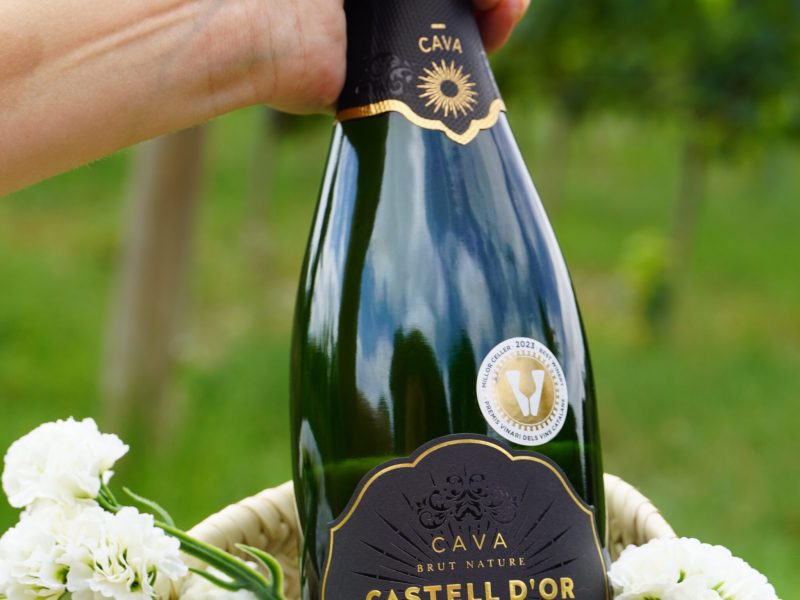
The Castell d’Or wine range allows wine lovers to explore different territories and representative Catalan varieties, from Xarel·lo and Macabeo to Parellada, Garnacha Blanca, Garnacha Negra and Trepat. (castelldor.com)
This diversity also reflects the origins of Castell d’Or, a wine project made up of Catalan cooperatives and closely connected to local growers and the land.
Its wines and Cavas feature varieties that form part of Catalonia’s winemaking tradition, allowing wine lovers to discover different landscapes and designations of origin, one glass at a time.
From a white wine made with an indigenous variety to a Cava based on the traditional blend of Macabeo, Xarel·lo and Parellada, each bottle is an opportunity to discover a little more about the richness of Catalonia’s vineyards.
Because discovering wine begins with discovering the grape, but also the territory behind it.

Other news
Blog
Blog
Com servir el cava correctament: temperatura, copa i consells per gaudir-lo al màxim
Saber com servir el cava correctament és clau per gaudir al màxim de les seves aromes, sabors i bombolles. La temperatura, la copa, la manera d’obrir l’ampolla i fins i tot com l’acompanyem poden influir en l’experiència. A Cava […]