


The earth’s heartbeat
Biodiversity is key to vineyard sustainability and environmental protection. At Castell d’Or, we work in harmony with nature to preserve this essential balance, which inspires the soul of our wines.
Pollinating insects help plants reproduce and enrich the ecosystem, while natural predators such as owls and foxes contribute efficiently to ecological pest control.
Castell d’Or wines are inspired by this biodiversity. Each illustration on our labels reflects a meaningful element, and we would like to share its significance with you.
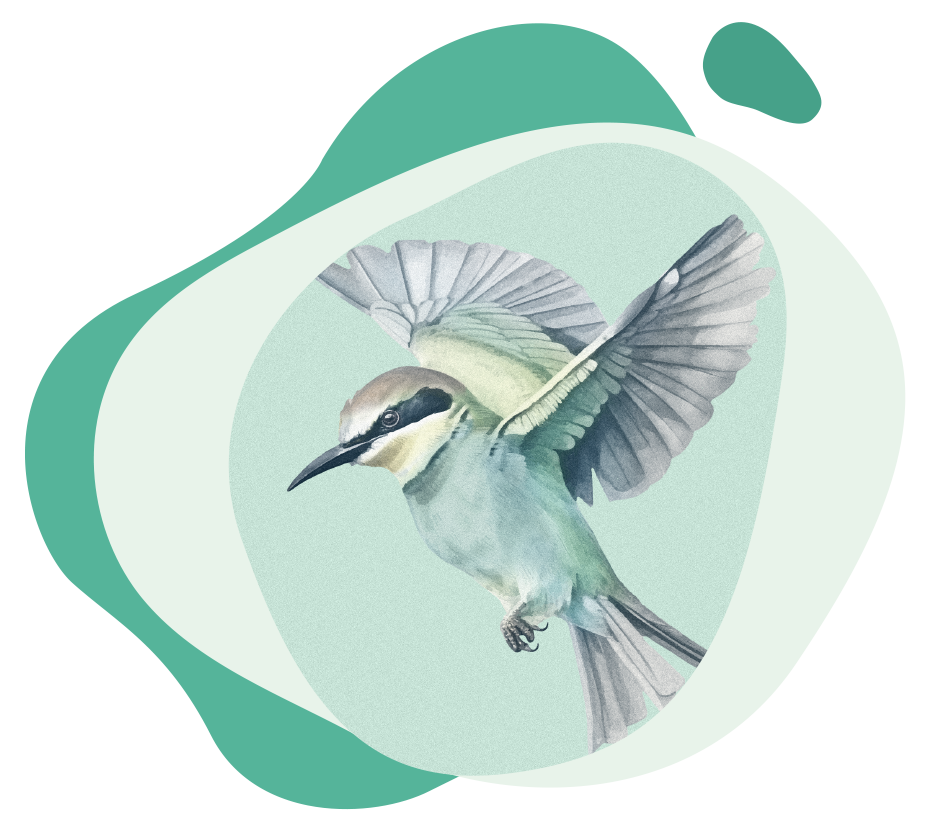
Bee-eater
A migratory bird that, in winter, travels to tropical Africa and India. It feeds on harmful flying insects, such as wasps, contributing to natural pest control and sustainably protecting the fruit.
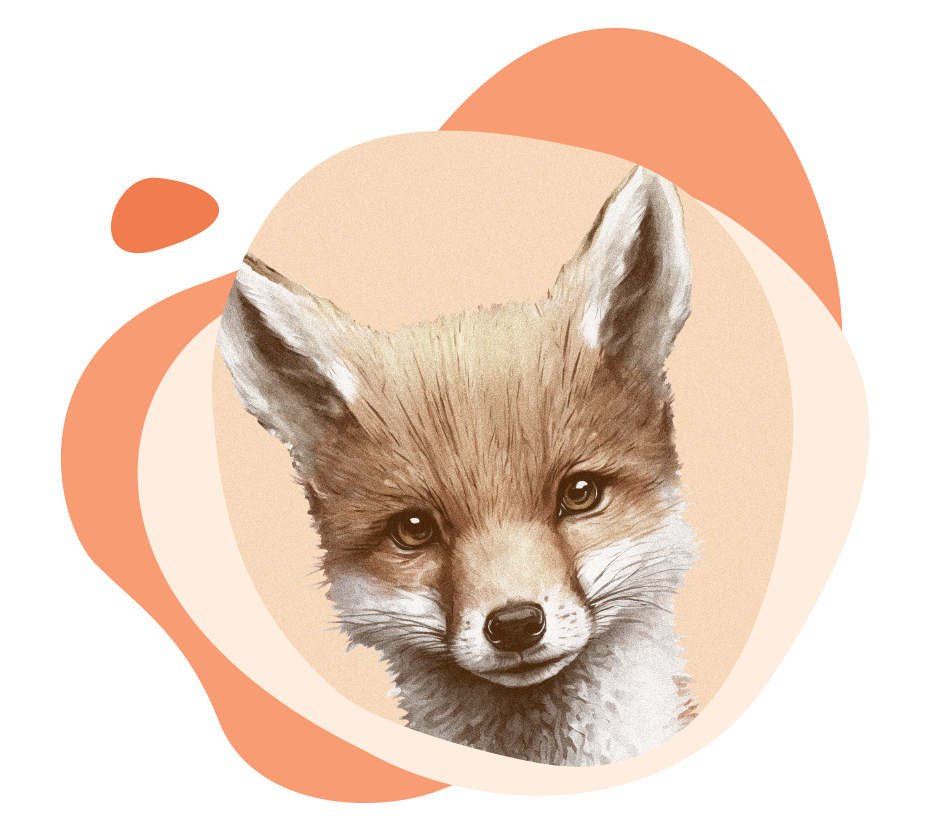
Fox
A nocturnal hunter that helps control populations of small mammals, such as rabbits and mice, which can damage the soil and spread pests. This reduces the need for pesticides and other chemical control methods, promoting more sustainable and environmentally friendly agriculture.
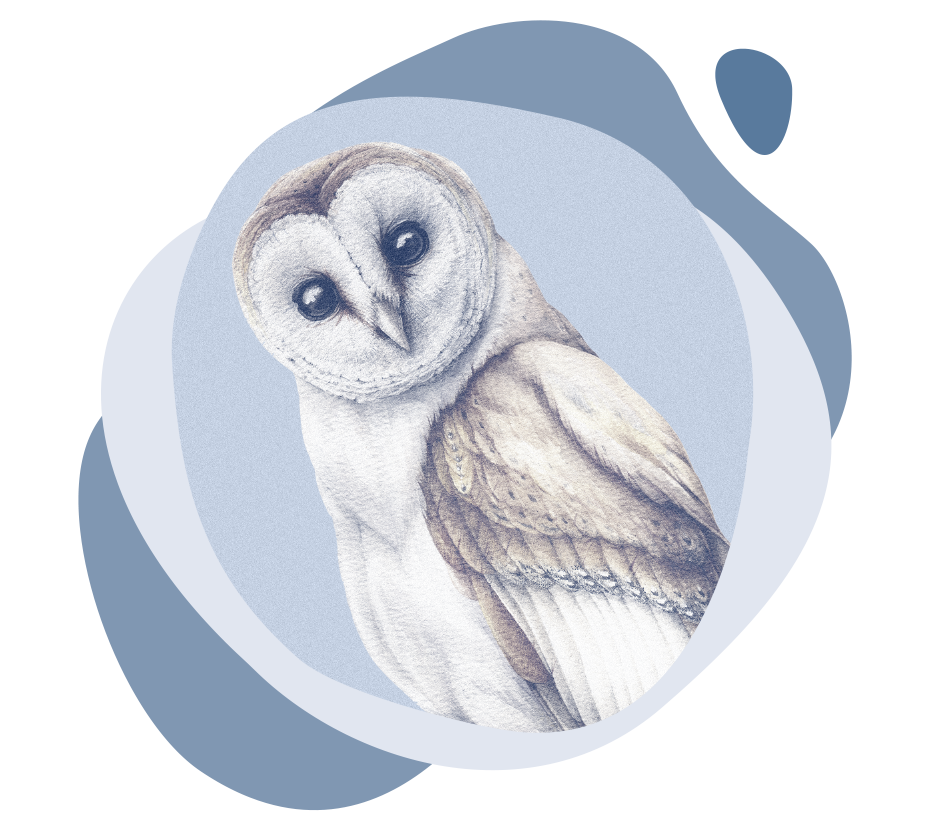
Barn Owl
A nocturnal bird of prey commonly found in agricultural environments, it plays a fundamental role in maintaining the ecological balance of the vineyard. Its diet is based mainly on small mammals such as mice, voles, and other rodents that often damage roots, young vines, and irrigation systems.
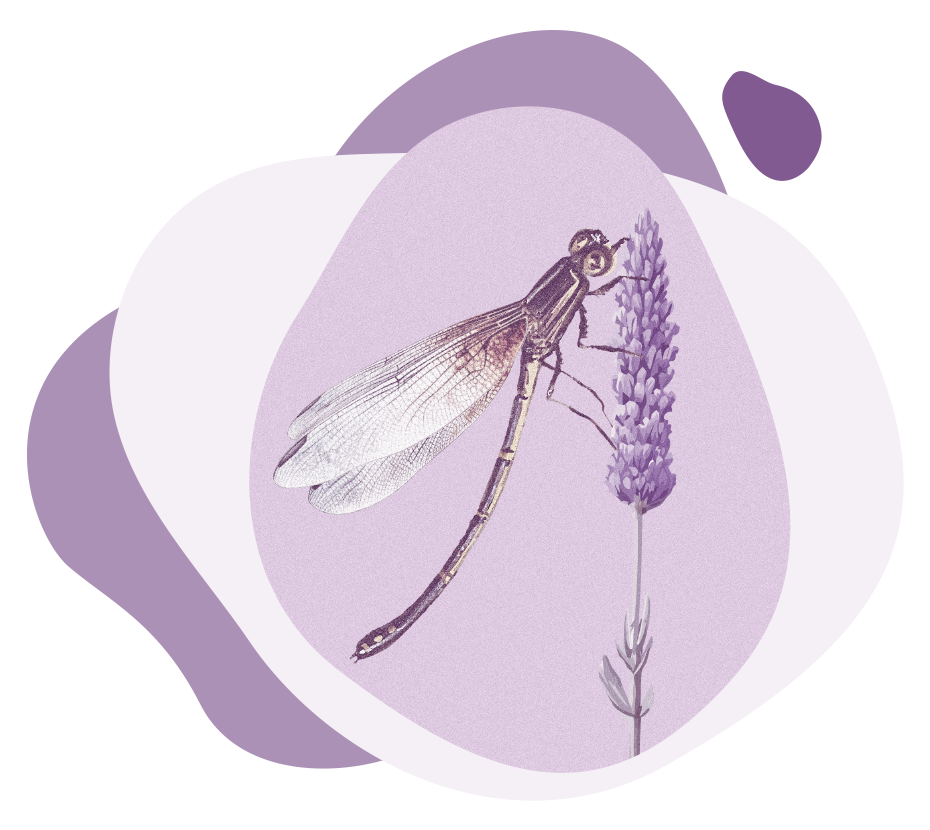
Dragonfly
The dragonfly is a highly efficient predatory insect that contributes significantly to natural pest control around the vineyard. In both larval and adult stages, it feeds on a large number of insects, especially mosquitoes, flies, aphids, and other small invertebrates that can negatively affect crop health.
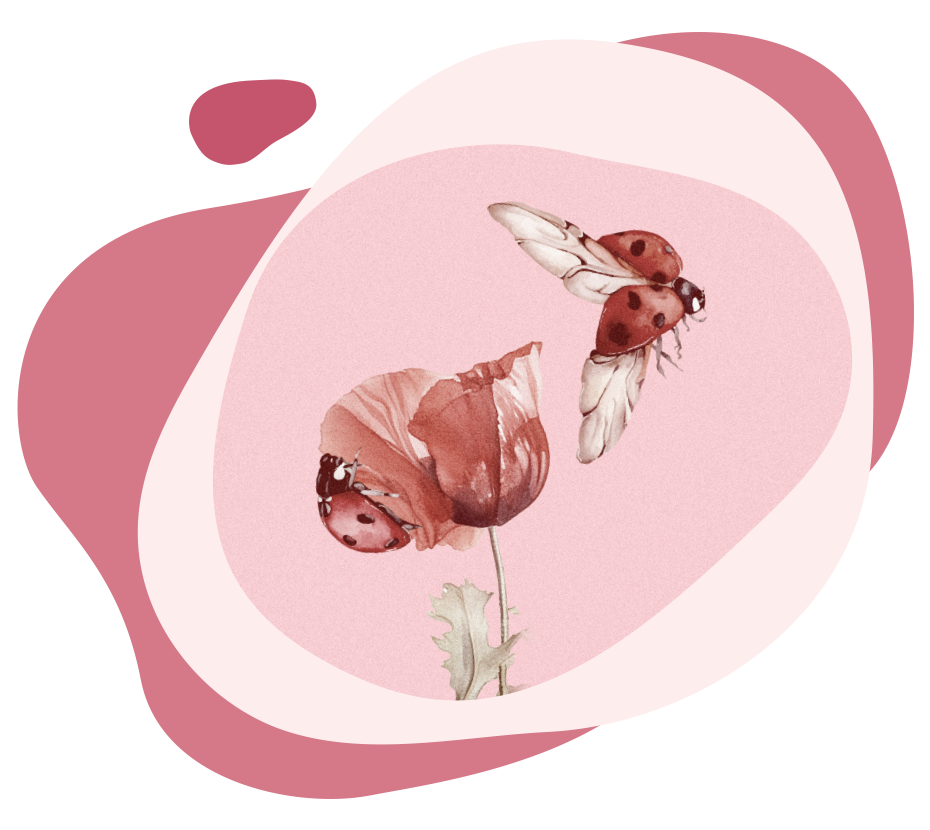
Ladybird
The ladybird, a small insect with a rounded body and bright colours, is an effective natural predator of aphids and other common vineyard pests. Thanks to its activity, it helps maintain the ecological balance of the crop and reduces the need for insecticides.
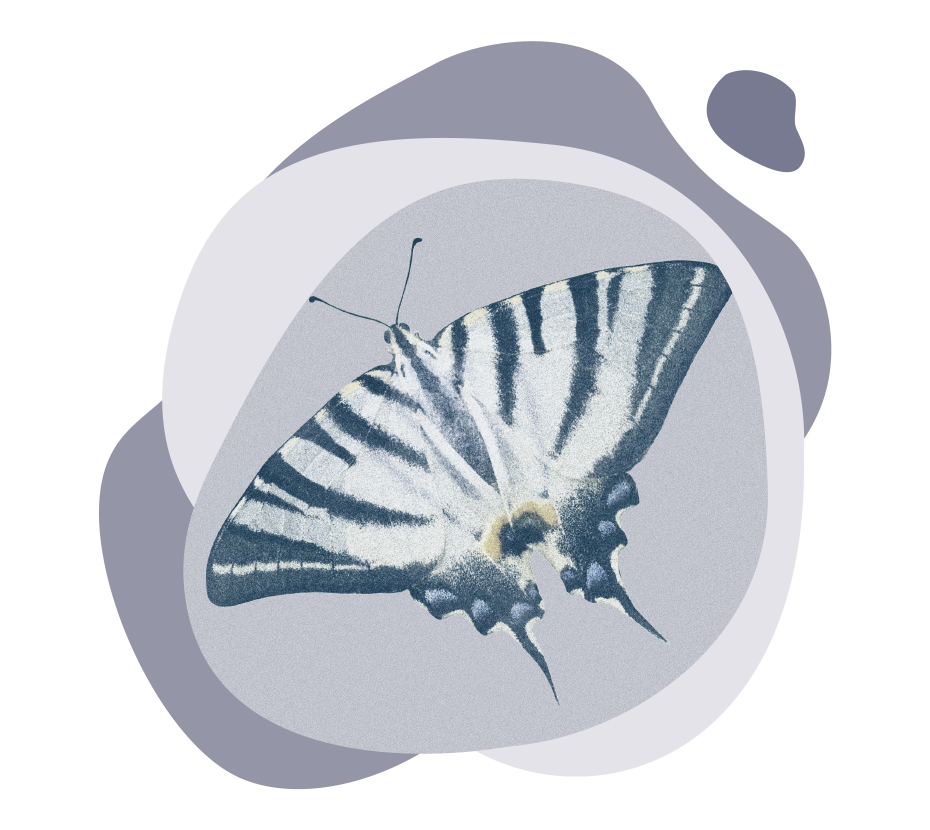
Butterflies
Butterflies, with their colourful wings and elegant flight, are important pollinators within the vineyard ecosystem. Although not as efficient as bees, they contribute to the pollination of wild plants along vineyard edges and promote plant biodiversity. They are also sensitive bioindicators: their presence reflects a healthy agricultural environment.
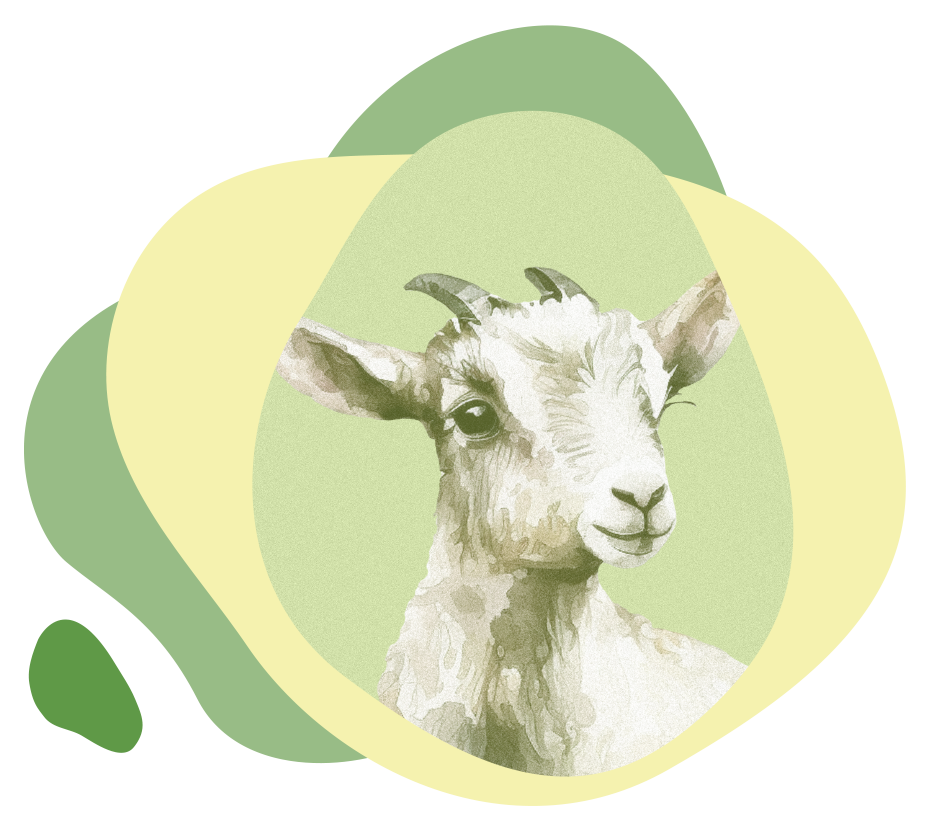
Goat
Goats and sheep play a fundamental role in agriculture and vineyard management, as they help control spontaneous vegetation, reducing the need for herbicides and improving soil health through natural fertilisation. This targeted grazing helps maintain more balanced and resilient agricultural ecosystems.
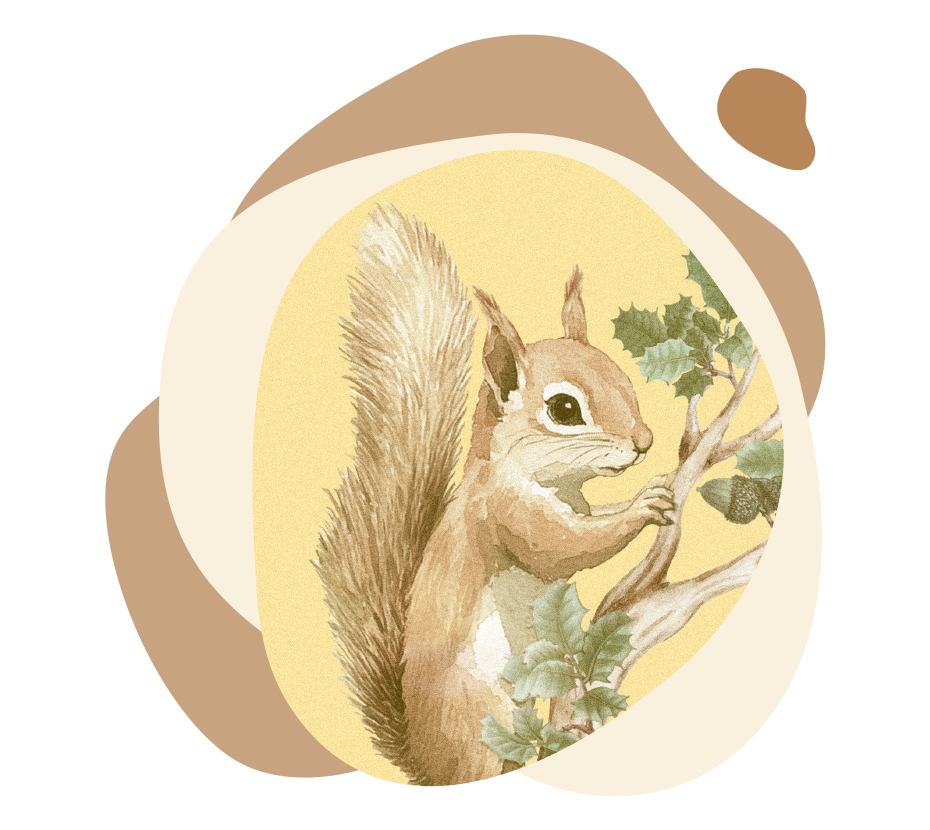
Squirrel
The squirrel is a small, agile, tree-dwelling omnivorous mammal that feeds mainly on nuts and seeds. In the Mediterranean environment, it promotes natural seed dispersal, strengthening forest biodiversity around vineyards and contributing to a more balanced and sustainable agricultural landscape.
The inspiration behind our wines
We are committed to increasingly organic production.
Among our objectives for 2026 is achieving 60% fully organic production, as established by Regulation (EC) No 834/2007. We aim to reduce the use of synthetic fertilisers and encourage organic fertilisation to support carbon accumulation in the soil and improve its structure and quality.
Castell d’Or holds CCPAE certification
This certification ensures that our products are made in a way that respects both the environment and people, restricting the use of synthetic chemical products and offering products free of residues from these substances.
EU Organic certified
This certification guarantees that the cava and wine have been produced following the European Union’s organic production standards. To obtain this certification, the company must meet strict requirements, such as using grapes from organic farming, limiting additives, and respecting biodiversity and the natural balance of the vineyard.
Our wine and cava bottles are 100% recyclable
The characteristics of this glass allow for maximum reuse, extending the lifespan of the material. AUV green glass is 75% recycled, and OAK glass is 88% recycled.
Castell d’Or has a photovoltaic plant with 335 solar panels
Each panel has a power capacity of 545 W, located at our headquarters in Vila-rodona (Alt Camp). These solar panels, covering 670 m² of rooftop space, generate 40% of the total energy Castell d’Or requires for its operations—264,080 kWh per day. This project will prevent 108 tonnes of CO₂ from being emitted into the atmosphere each year.
Cooperativism, key to ensuring sustainability
In Catalonia, farmers and livestock breeders manage 80% of the territory and contribute to its preservation through sustainable practices, maintaining paths, preventing erosion, and creating natural firebreaks. Agricultural cooperatives promote responsible production, efficient resource use, and the adoption of circular economy models.
The carbon footprint, an essential first step
We are thoroughly analysing the emissions from all our activities and suppliers to establish clear objectives and implement effective actions to minimise environmental impact and promote increasingly sustainable production.

