The harvest is expected to deliver grapes with high potential alcohol, excellent phenolic ripeness and optimal acidity for producing long-aged cavas.
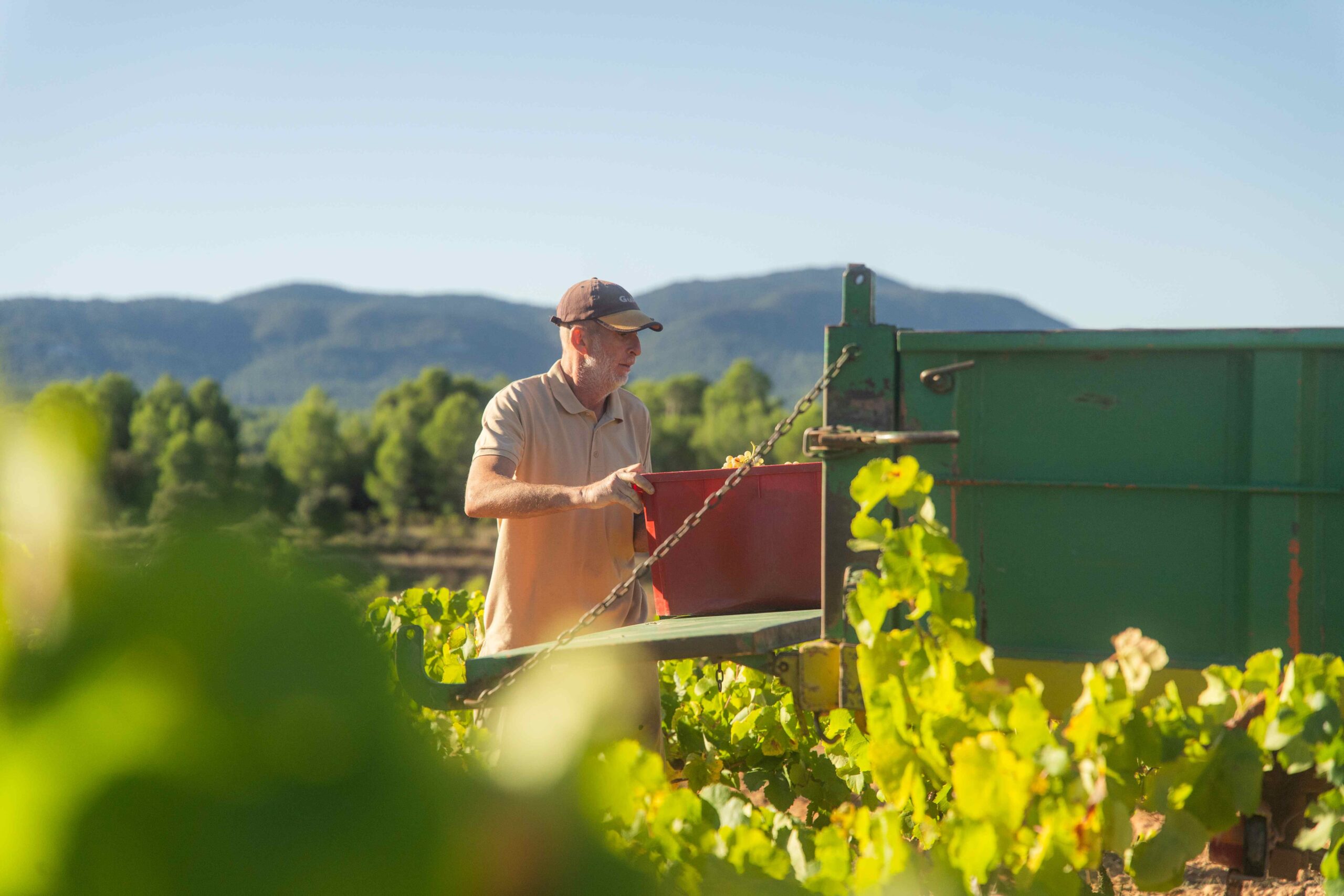
The cooperatives that form part of the Castell d’Or group, together with Cevipe, are launching the earliest grape harvest in the company’s history. This year’s harvest is starting seven to nine days earlier than in a typical season due to the climatic conditions experienced over recent weeks.
Harvesting will begin on Monday at the cooperatives in La Granada and L’Arboç, followed on Tuesday by Vila-rodona and Albinyana. The specific vineyard plots where harvesting will start are still to be confirmed.
The high temperatures recorded at the beginning of summer have accelerated grape ripening, bringing the start of the harvest forward to exceptionally early dates. Despite this, expectations for the vintage are highly positive.
According to Cevipe’s Technical Director, Joan Rabadà, “the grapes are in excellent sanitary condition, with very well-balanced acidity and outstanding phenolic ripeness—ideal conditions for producing cavas with great ageing potential, elegance and character.”
Following the severe rainfall deficit recorded between 2021 and 2023, precipitation during 2024, 2025 and the first months of 2026 has restored water reserves and ensured healthy vineyard development. Although the past few months have been relatively dry and early summer has been exceptionally warm, the water accumulated during the previous seasons has enabled the vines to develop under very favourable conditions.
As for the sanitary condition of the grapes, the outlook is for a healthy, high-quality and well-balanced harvest, with optimal characteristics for producing high-quality wines and cavas.
Castell d’Or CEO Jordi Amell highlighted the dedication of the group’s winegrowers, who have continued to produce outstanding grapes despite facing increasingly demanding climatic conditions in recent years.
“Behind every bottle lies the dedication, expertise and hard work of hundreds of winegrowing families. It is essential that this effort is recognised and that the entire value chain—from growers to consumers—helps ensure the long-term sustainability of the sector. Only through a strong, balanced and territory-driven value chain can we secure the future of viticulture and continue offering products of the highest quality,” he said.
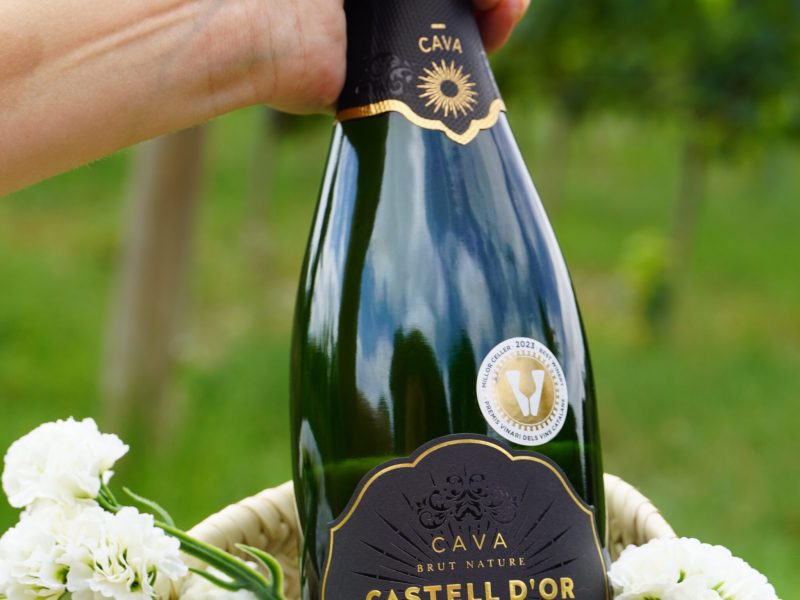
Castell d’Or was founded in 2005 through the union of several cooperative wineries located in some of Catalonia’s most renowned wine-producing regions, including Penedès, Conca de Barberà, Tarragona, and Lleida. With a winemaking heritage spanning more than a century, these wineries combined their expertise and resources across production, winemaking, bottling, and distribution of wines, cavas, and olive oils. This collaboration has enabled them to achieve the highest quality standards while strengthening the reputation of their brands, which are recognized both nationally and internationally.